Air sealing services in Bellingham WA - fewer drafts and air that's still safe
Drafty rooms, cold floors or a power bill that keeps climbing? We check your fresh air first, then find the leaks and close them.
- Appliances checked first We look at your furnace, stove and fireplace before sealing.
- Leaks found, not guessed We find where air gets in before closing anything.
- The owner comes out I come out myself and show you what I'm seeing.
- A plan in order Your written plan lists each step and why it's there.
- Licensed and fully insured.
- Free on-site estimates.
- Expect a reply within 1 business day.
How can you tell your house is leaking air?
Leaks are easiest to close while they're small and easy to reach. These are the signs homeowners usually notice before it turns into damp wood or an overworked furnace.
Drafts at outlets and windows
You feel cold air at outlets, baseboards or window trim. That's usually outside air pulled in through gaps, and the furnace runs longer every winter you leave it.
Cold floors downstairs
Warm air rises and slips out through gaps in the attic, which pulls cold air in low around the floors. Your heating works harder the longer that goes on.
A power bill that keeps climbing
If the bill keeps going up while your habits haven't changed, leaks are often part of it, because you're paying to heat air that ends up outside.
Damp or dark spots in the attic
Warm, moist house air that leaks into a cold attic can wet the wood up there. Left alone, that moisture can turn into mold in the framing.
Dark streaks on old insulation
Dirty lines on attic insulation or carpet edges usually mark years of air moving through, with the fibers catching dust like a furnace filter. Each streak is a leak to close.
Light around the attic hatch
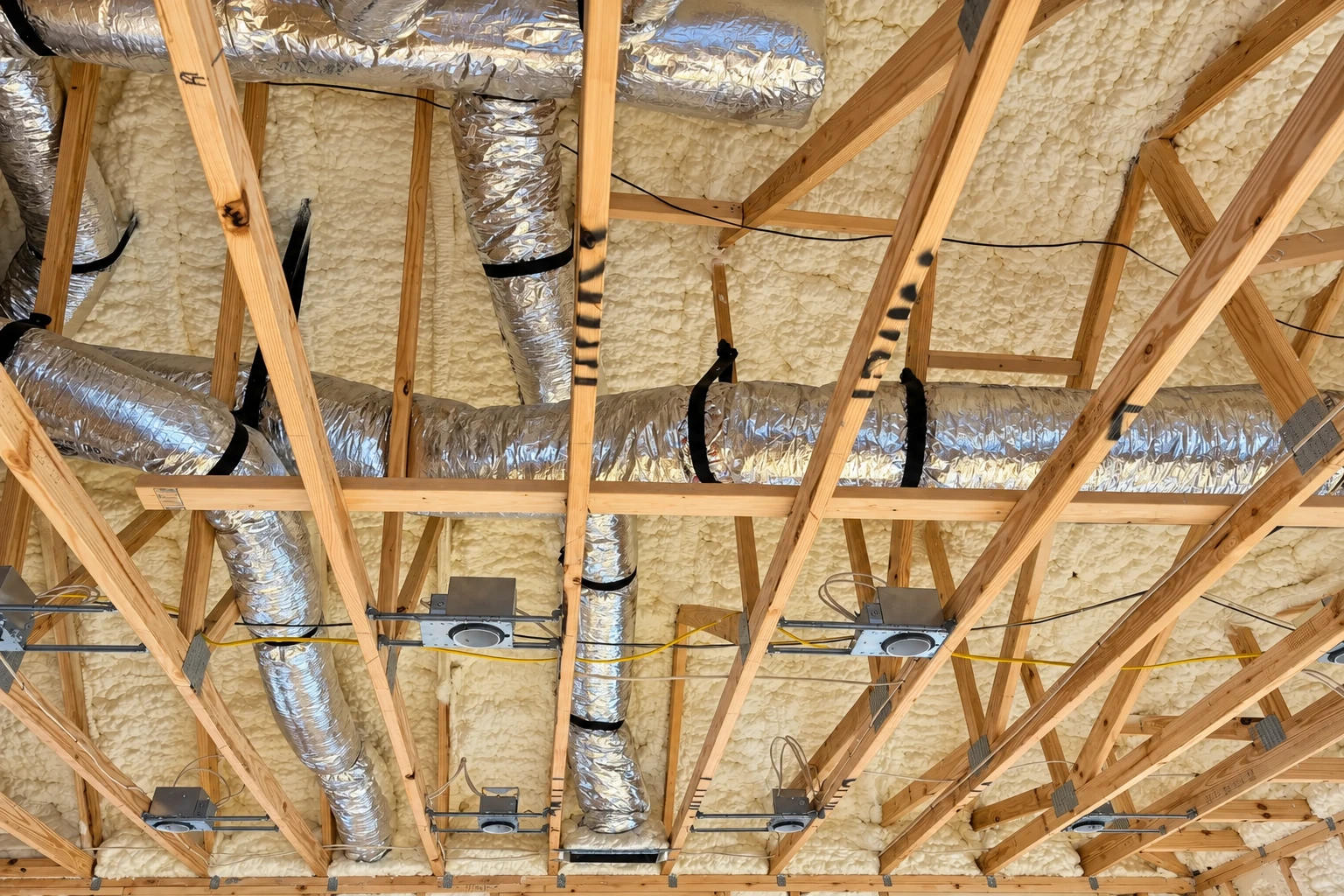
Daylight or a draft around the hatch, pipes or can lights means warm air is pouring into the attic, and it won't stop until the gap is closed.
How our air sealing works, one step at a time
I start by looking at your furnace, stove and fireplace and at how fresh air gets into the house, because a house that's been breathing through its leaks can trap water vapor and carbon monoxide once they're closed. When we know everything vents safely, we track down where the air gets in, and that same check tells us how well the house is ventilated. Then our installers close the gaps around the attic hatch, pipes, wiring holes and can lights, so warm air stays in and damp air stays out of the framing. What moves the price is how many leaks there are, how hard they are to reach and whether old insulation has to come out first, and those same things set the schedule, so your on-site estimate is where your own figure comes from.
Air sealing is usually the first step of a bigger job, and attic insulation often follows it. Below the house, we often pair it with basement insulation, since the gap where the framing sits on the foundation lets cold air in under your floors. Closed-cell foam insulation, a dense foam that blocks air and moisture, seals and insulates in one pass, but it costs more. I'll usually tell you that sealing the gaps and topping up loose fill is the better buy, unless your ductwork runs through the attic.
What happens after you call us about air sealing?
From your first call to the final walk-through, the job runs in order, with the safety checks first and the sealing after.
Call or send a request
I come out myself to look at your attic, crawl space or basement and show you what I'm seeing. Have a list of your fuel-burning appliances handy.
Get your written plan
Your written plan puts each step in order and says why it comes there, so you'll see the safety checks first and any insulation last.
Our installers seal the leaks
Our installers close the leaks in the order the plan lays out. If you're adding insulation, the sealing is finished before any goes in.
Walk through it together
When the work is done, I walk through it with you so you know what was sealed and where. Ask anything then, while it's all in front of us.
Why Bellingham homeowners call Thermal Bellingham Insulation Company
The owner comes out first
I look at the house myself and build the plan with you, so the person you talk to knows your house.
Safety checks before sealing
Your appliances and fresh air get looked at before we close a single gap, so fewer drafts don't come with bad air.
Licensed and insured, easy to check
We're licensed and fully insured, and you can check any Washington contractor's registration and workers' comp on the state's Verify tool.
Plain words since 2023
In business since 2023, we explain your house plainly before work starts. Call (360) 255-0276 to book a visit.
Book a leak check for your Bellingham house
Tell us about your house, your fuel-burning appliances, any loose vinyl floors and your insulation plans, and we'll reply within one business day. I'll come out for a free on-site estimate and give you a written plan, with no obligation.
Examples of air sealing work
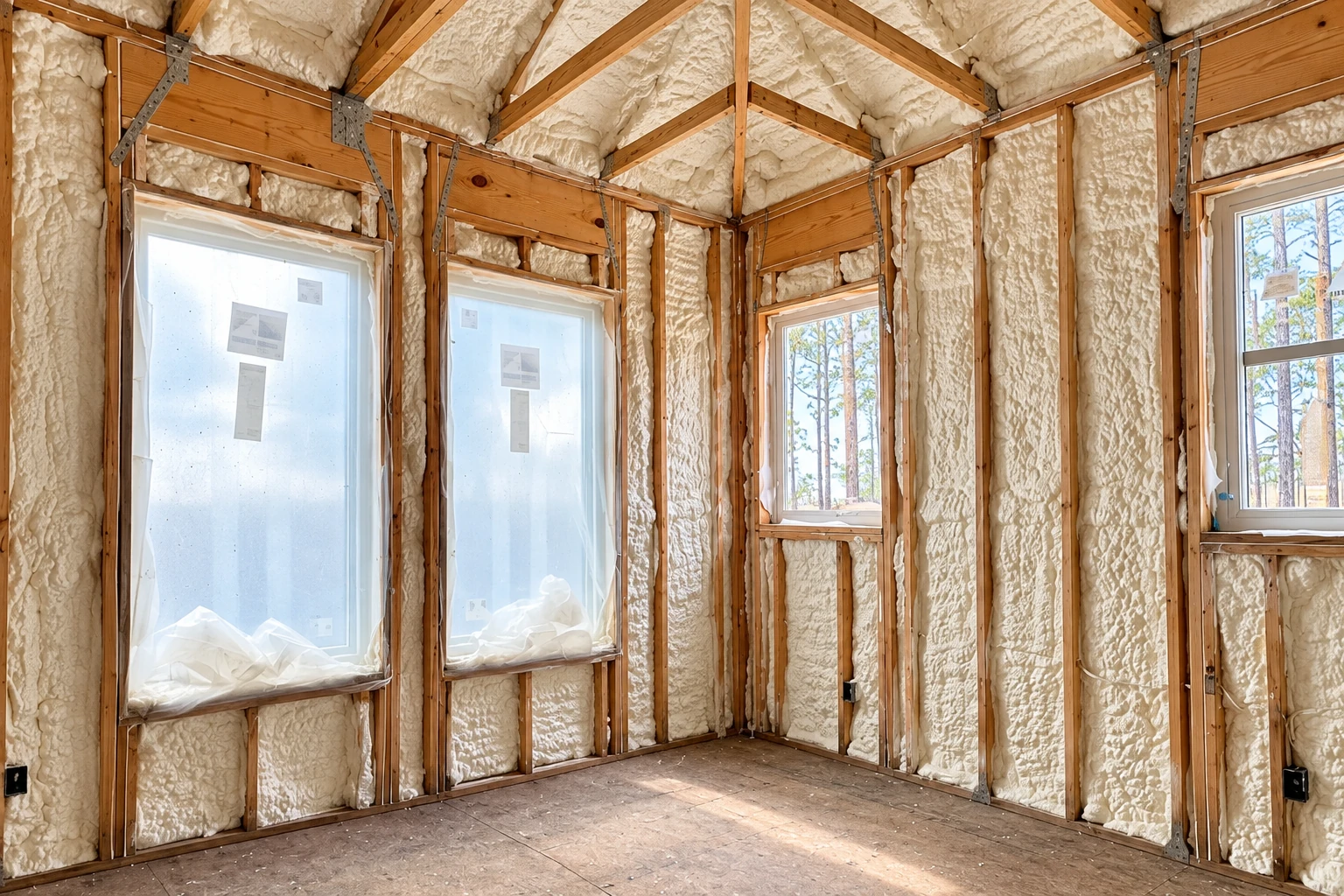
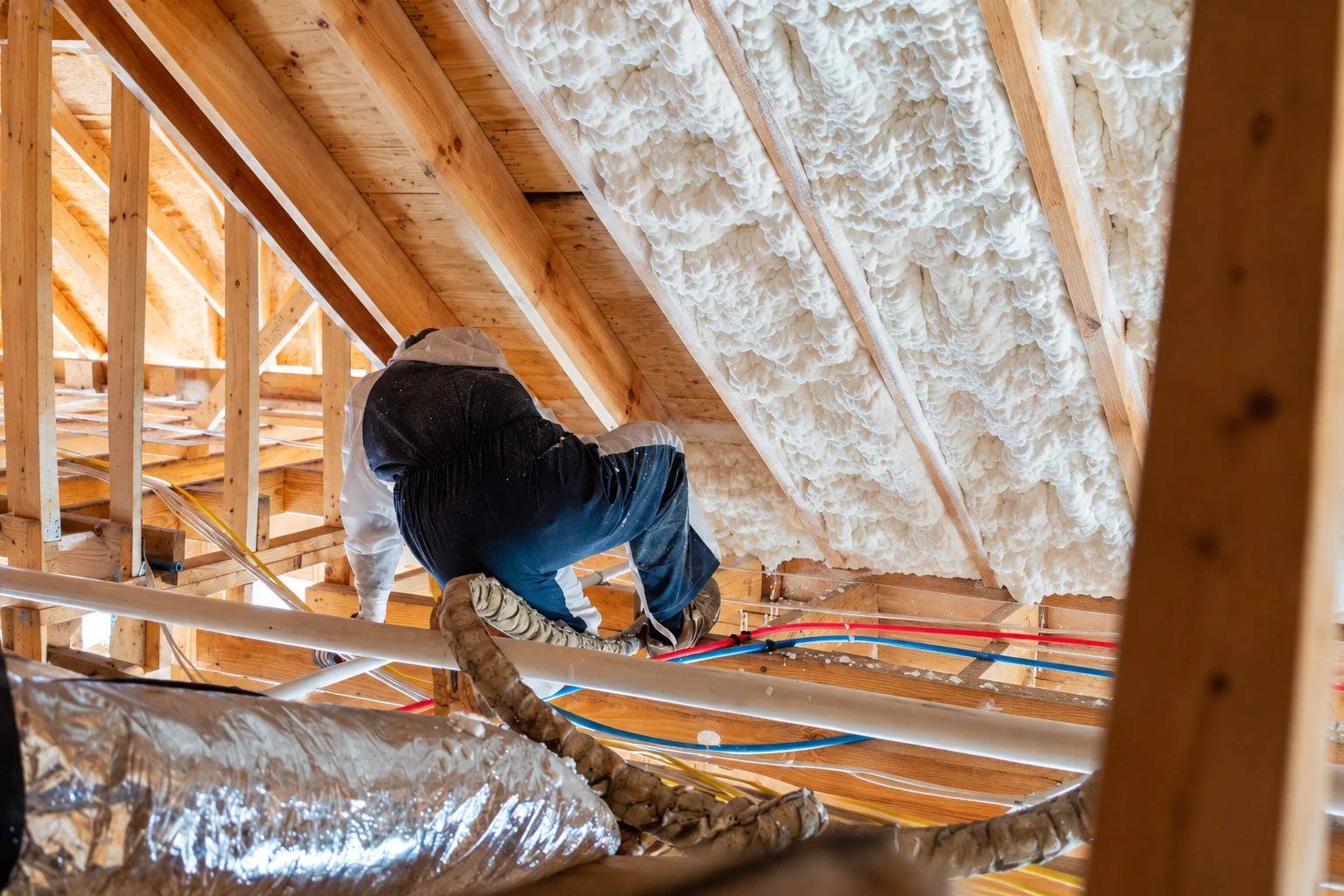
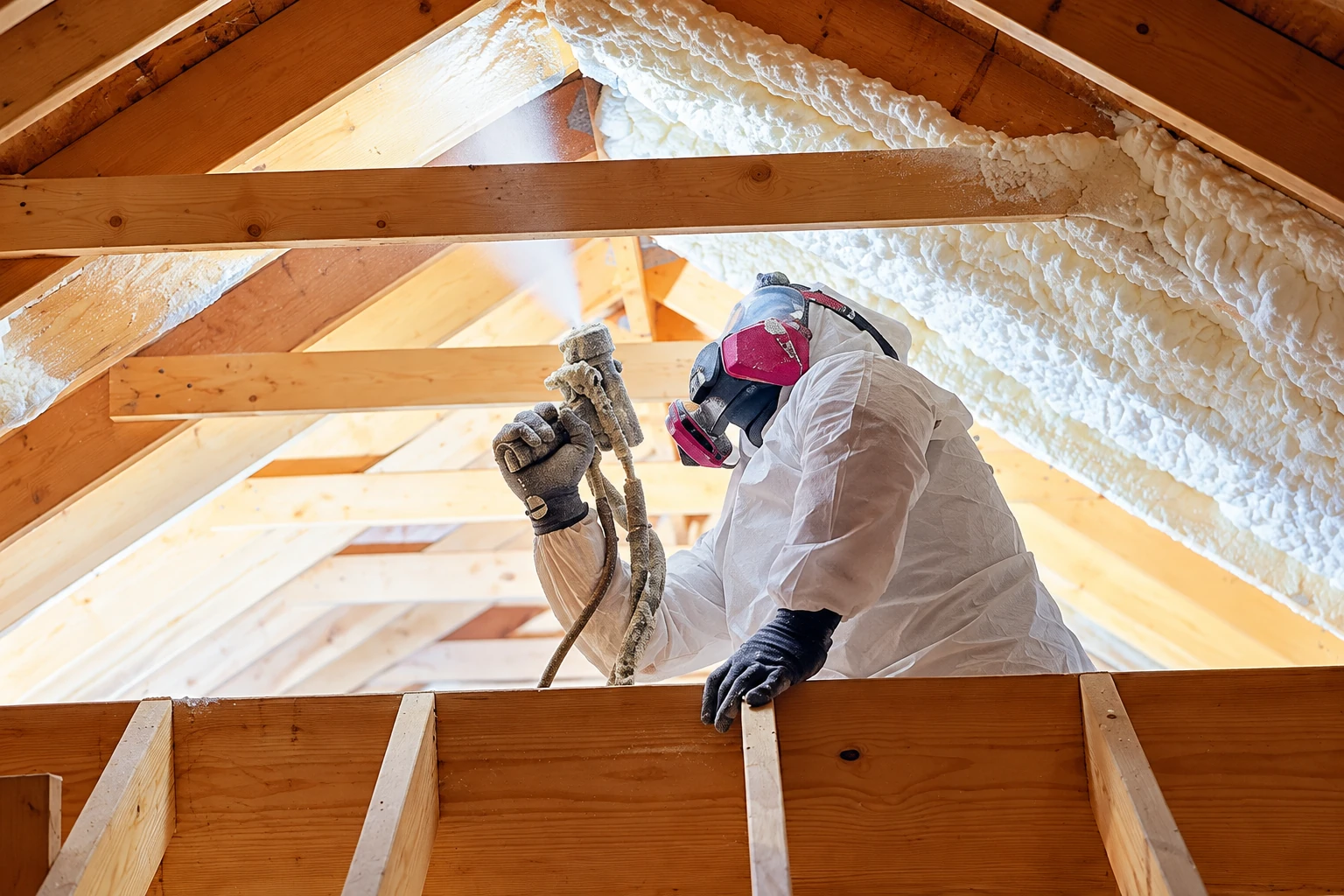
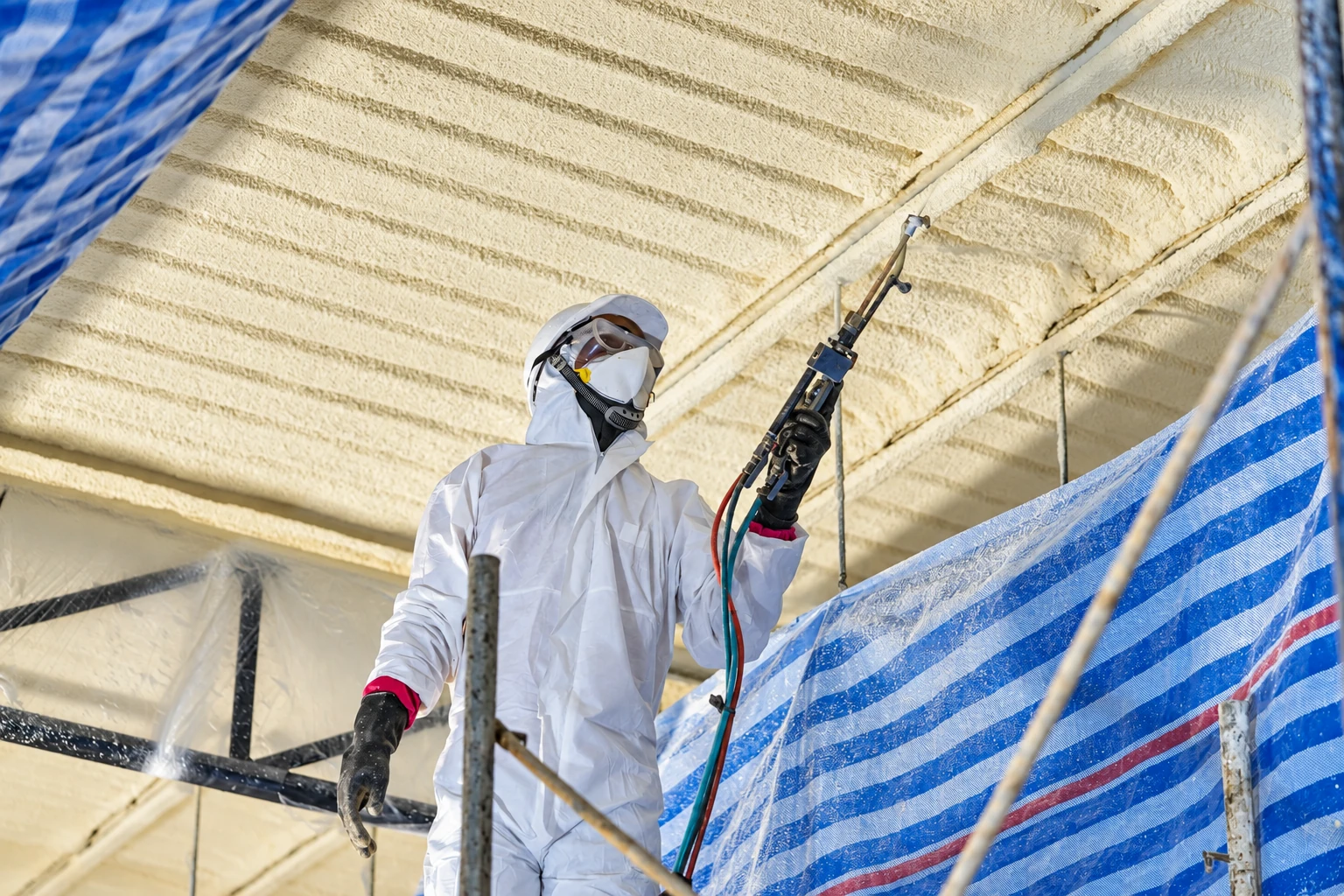
Look through these examples of air sealing and insulation work to see where leaks tend to hide and what a sealed attic usually looks like.
Air sealing questions from Bellingham homeowners
Here are answers to what people ask most before they book a leak check. If your house raises a question these don't cover, call and ask about it.
How much do air sealing services cost in Bellingham?
Your price comes from what I find on site, and the on-site estimate gives you the figure for your house. The biggest swings come from an appliance whose venting has to be fixed first, a cramped or low attic that's slow to work in, and whether insulation goes in as part of the same job.
Why should air leaks be sealed before adding insulation?
Because once new insulation goes down, the leaks under it are buried and hard to reach. Guidance for attic work says to seal all the major leaks first, so if insulation is on your list, plan the air sealing as step one of that project. It also keeps the new insulation from fighting a draft coming up through it.
How do I make sure air sealing is safe with a gas furnace or fireplace?
Have the appliances checked and their venting confirmed before the house is tightened, which is where we start. Federal building guidance also calls for a safety test of fuel-burning appliances, called a CAZ test, at the end of each workday while sealing is underway. If it shows backdrafting, where exhaust spills back into the house, that has to be fixed before testing goes on.
What happens during a blower door test?
A big fan set into an outside door pulls air out of the house, so outside air rushes in through the leaks and an infrared camera can spot where. The test can pull dirt and pollen inside, and it has been known to lift vinyl flooring that isn't glued down, so point out any loose vinyl before it starts.
Is there help paying for weatherization in Bellingham?
Yes, the City of Bellingham lists Opportunity Council's conservation education and weatherization services, which come as a no-cost grant for income-qualifying households, renters and homeowners alike. You can find it on the city's energy programs page and see whether your household qualifies.
What is the best way to start air sealing an older house?
Start with the ceiling between your attic and your living space, because sealing there saves energy, lowers fuel bills and helps keep the attic dry. It also cuts the house's pull on the ground below, called stack effect, so less soil gas such as radon gets drawn up into your rooms.
Cities we work in
We're based in Bellingham and work in the cities around it, from Lynden to Mount Vernon, where a lot of our calls are older, drafty houses. Pick your city below.
Book an air sealing check for your house
Call (360) 255-0276 before winter sets in, so the drafts are closed before the furnace starts its longest stretch of the year.