Basement insulation in Bellingham WA - a warm basement with walls that stay dry
Cold floors or a damp smell downstairs? We check for water first, then insulate so the basement holds heat without hiding a wet wall.
- Water check first We look for water coming through the walls before insulating.
- A method that fits We help you pick a method that suits your basement.
- Checks before spending The checks come first, so your money actually does some good.
- A plan in writing Every step written out in order, with the reason for each.
- Licensed and fully insured.
- Free on-site estimates.
- Expect a reply within 1 business day.
How do you know your basement needs insulation?
Most basement trouble starts small, a cold floor or a musty corner. Catching it early means the fix stays simple and you don't pay to undo work later.
Cold floors upstairs
If the floor over the basement feels cold through your socks, heat is usually leaking out through bare foundation walls. Waiting means the furnace keeps working harder all winter.
A musty or damp smell
That smell usually means moisture is getting into the basement from the walls or floor. Insulating over it traps the damp, so it gets worse behind the wall.
Damp marks on the walls
Dark patches, white crust or water lines on the concrete mean water is coming through. That has to be fixed first, or new insulation just hides it.
Old batts sagging or stained
Batts pulled loose, stained or smelling stale usually mean they've been soaking up moisture. Left up, they hold that damp against the wall and the wood framing.
Drafts along the top of the wall
Cold air near the top of the wall, where the house sits on the foundation, usually means gaps nobody sealed. Insulation alone won't stop that draft.
A downstairs room nobody uses
If the basement is too chilly to use as a room, the walls are usually bare or thinly covered. That's living space you're paying to heat and can't enjoy.
Basement insulation, done in the right order
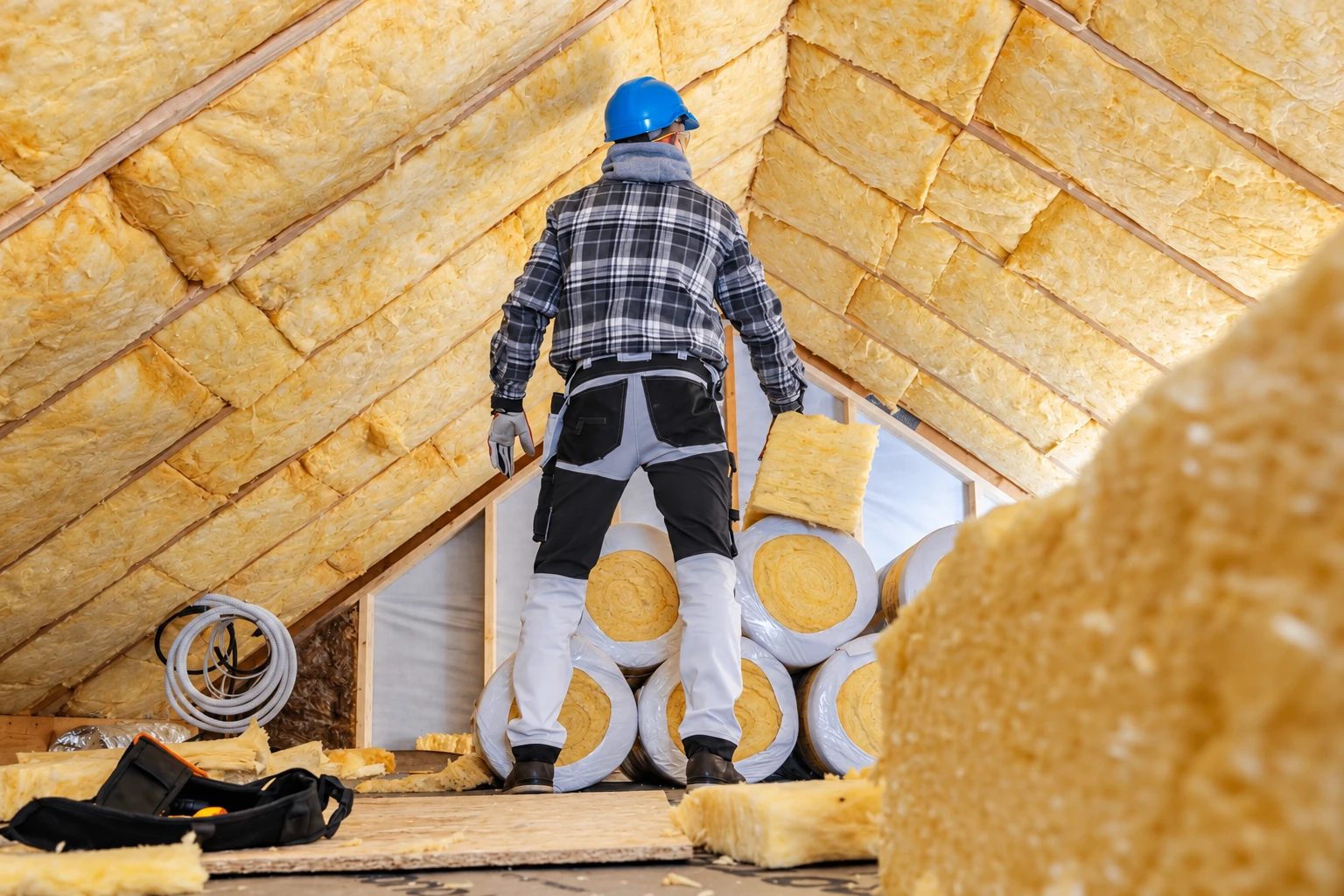
On a basement insulation job in Bellingham, the first thing I look for is water coming through the walls, because insulation over a wet wall just hides the problem until it shows up as a smell or a stain. Once the water is dealt with, we do the air sealing, closing the gaps where pipes and wires pass through, so the new insulation isn't fighting a draft. Then I help you pick a method and a material that suit your basement, and our installers put it up. The price moves with how much wall there is, whether old wet insulation has to come out and which material you choose. The schedule mostly turns on the water, since a wall that needs fixing gets sorted before anything goes on it. Your written estimate lists each step in the order we'll do it.
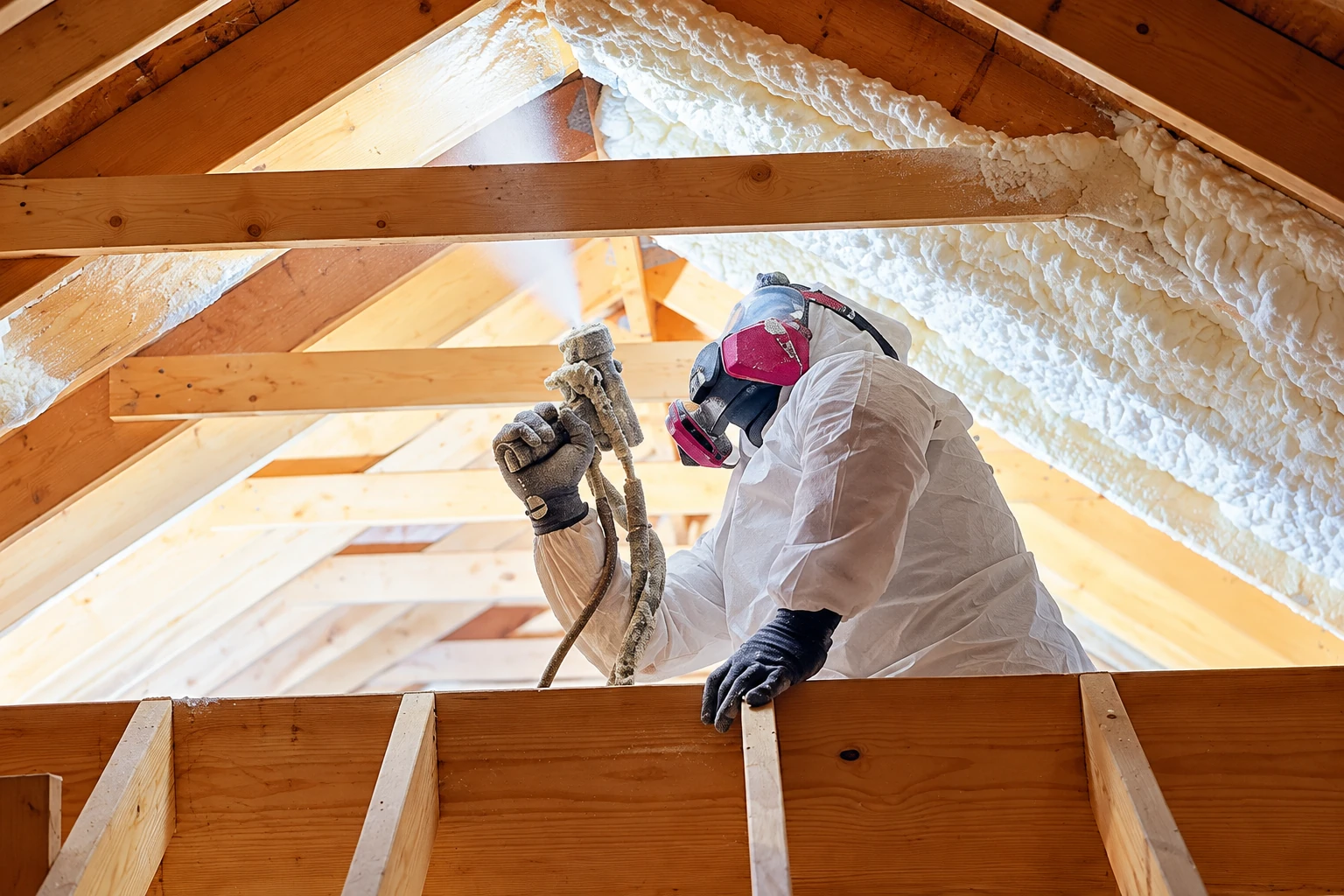
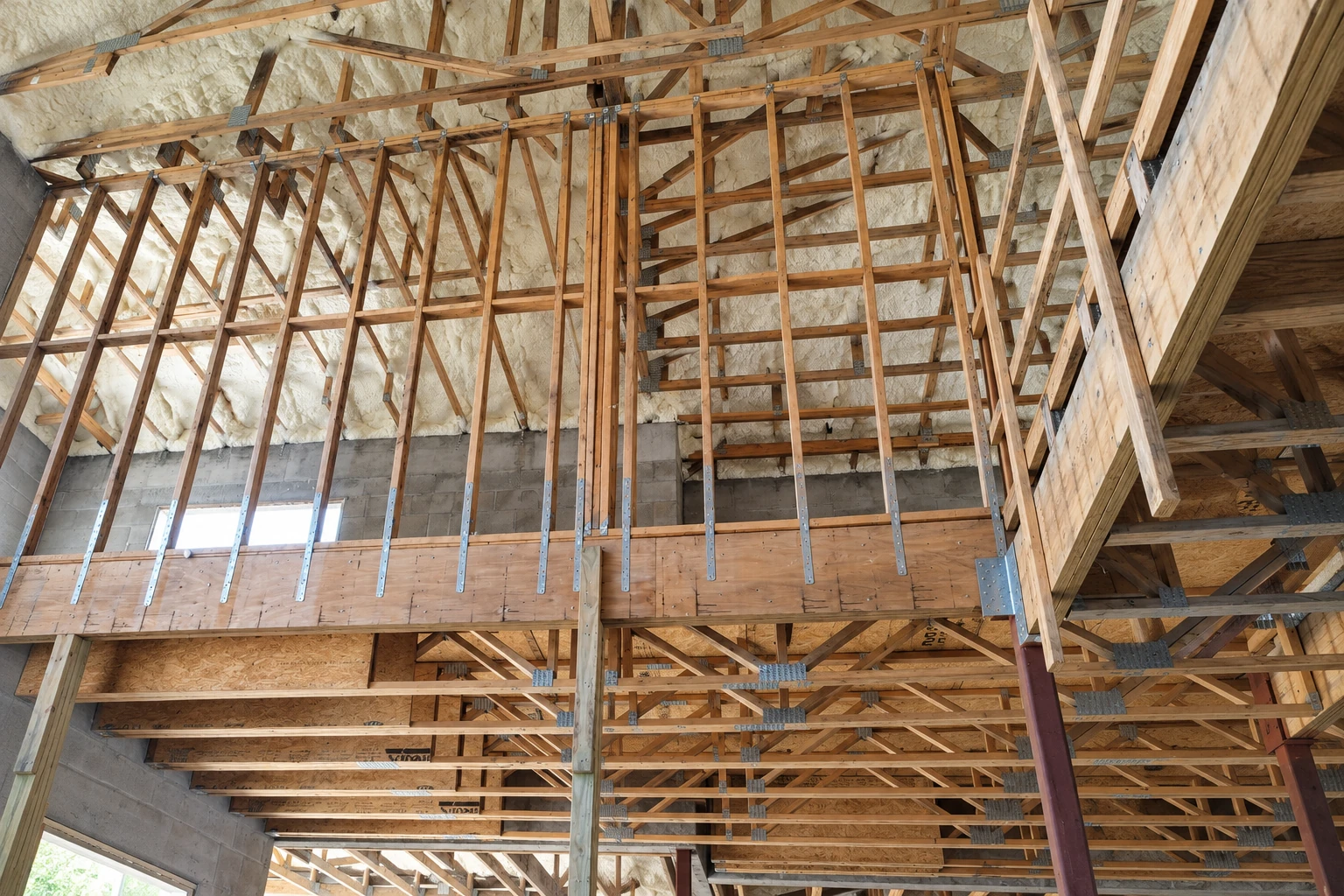
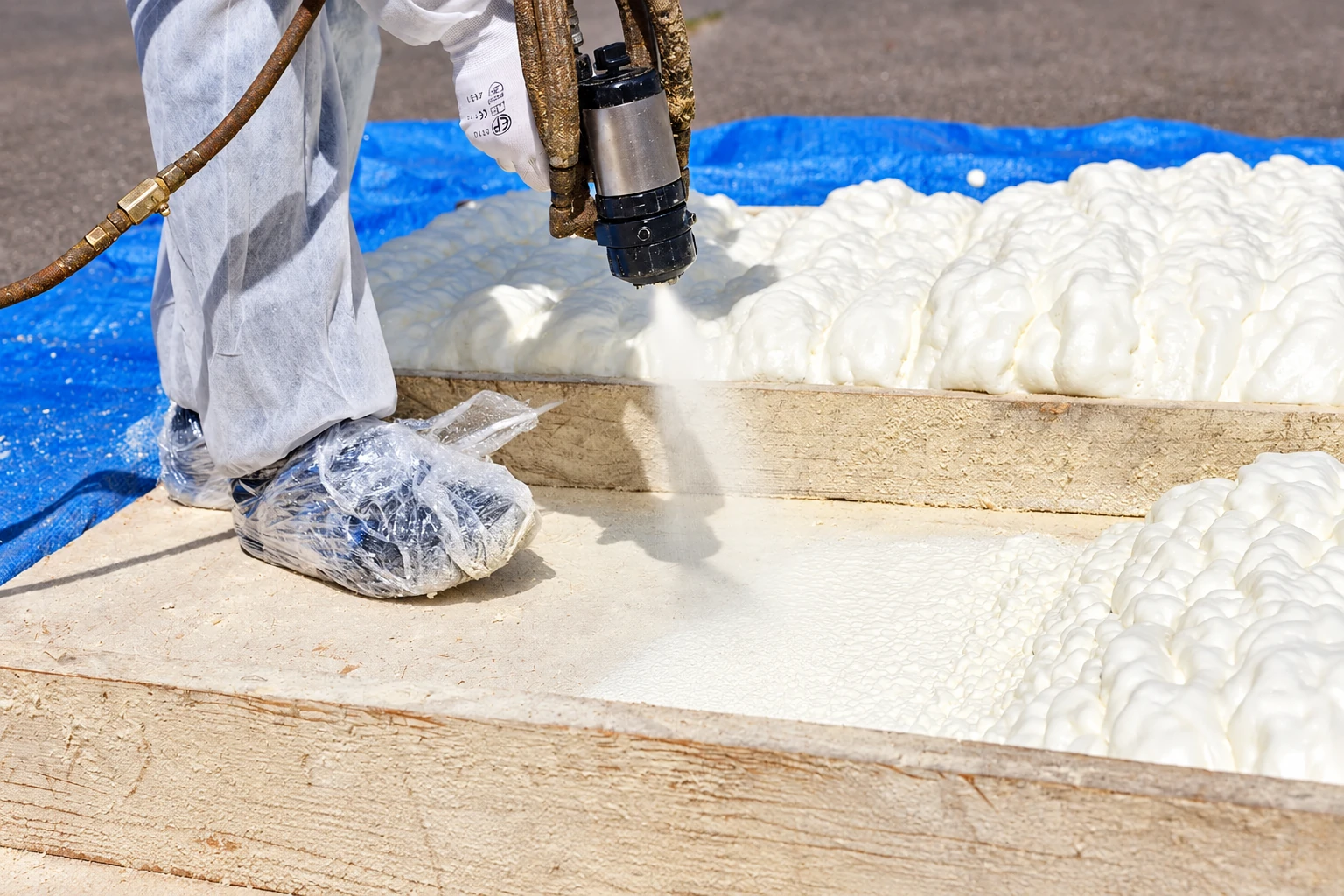
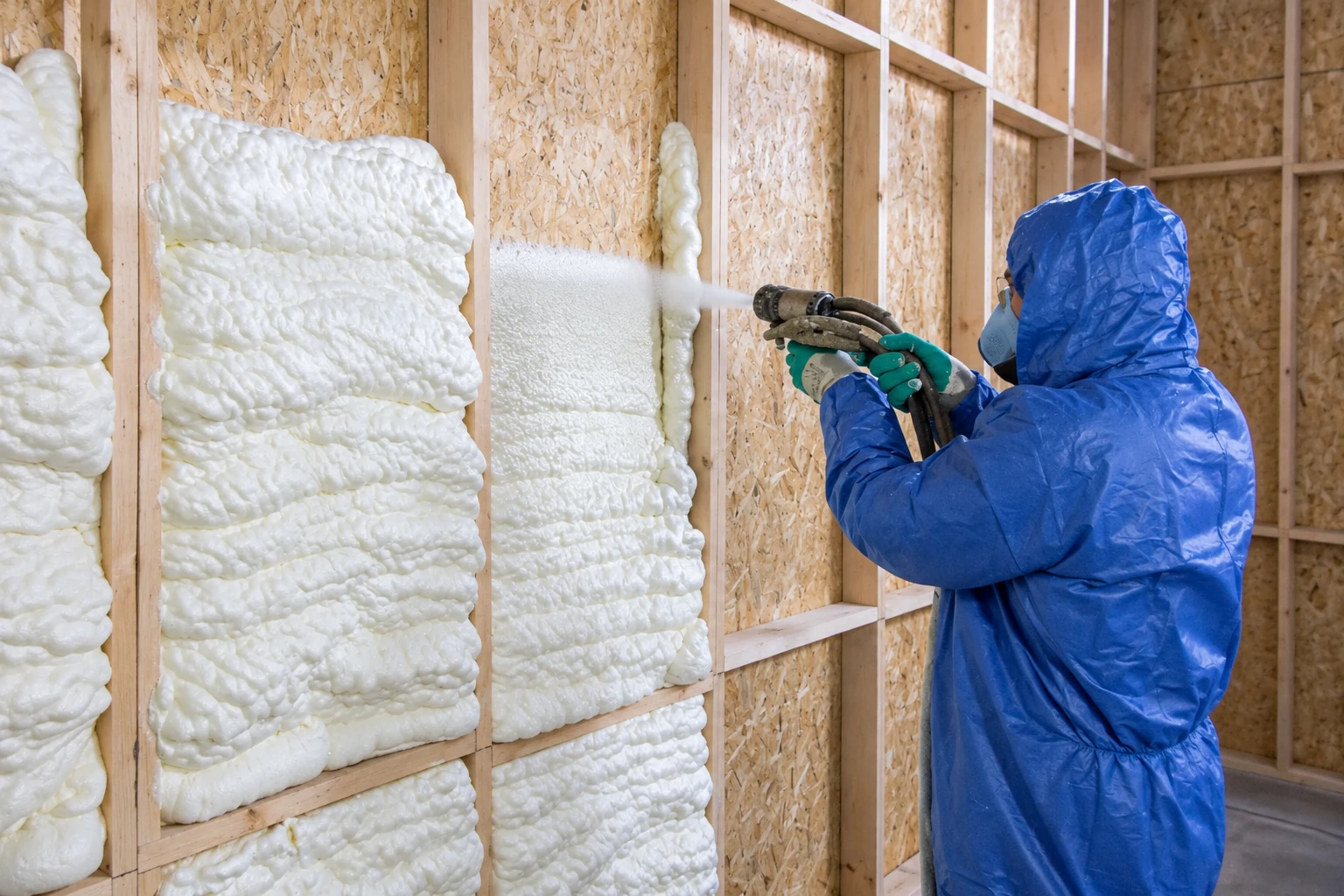
Many basements end up with more than one material. Closed-cell foam insulation is the dense foam that also blocks moisture, and open-cell foam insulation is the softer, lighter one. I'll show you where each makes sense in your basement before you decide.
What happens when you call about your basement?
From your first call to the final walk-through, the job runs in a set order, with the checks first and the installing after.
Call and I come out
You call or send a request, and I come out myself to look at the basement walls and show you what I'm seeing.
Get a written plan
Your written plan puts each step in order and says why. Before scheduling, I check with the city or county office that covers your address.
Our installers do the work
Our installers work through the plan in order, so anything the wall needed is done before insulation covers it.
Walk through it together
Our installers clean up, then I walk through the basement with you so you know exactly what was done and why.
Why Bellingham homeowners call Thermal Bellingham Insulation Company
Plain words before any tools
People know us for explaining what's going on in your house first, so you choose knowing why.
Steps kept in order
I ran a busy contractor's schedule for years before we opened in 2023, so I've seen what out-of-order steps cost.
Used to older, drafty houses
Most of our calls come from drafty, older houses, so we expect uneven walls and old patch work downstairs.
Licensed and insured for every job
We're licensed and fully insured, so you aren't carrying the risk. Call (360) 255-0276 to set up a visit.
Get a written plan for your basement insulation
Tell us your address, any past leaks and any furnace or water heater in the basement, and we'll reply within one business day. Then I come out for a free on-site estimate, with no obligation.
Basement insulation examples
Look through these examples of basement insulation work to get a feel for how foam, framing and finished walls come together.
Basement insulation questions
These are the questions we hear most about insulating a basement in Bellingham. If yours isn't here, call or send a request and I'll answer it for your own walls.
How much does basement insulation cost in Bellingham?
Your price is set in the estimate, after we've seen the walls, because it depends on what the wall needs before any insulation goes on. Insulating from the inside is usually the least expensive way, while typical outside work means digging along the foundation, which costs more and disrupts the yard. Any leak repair comes first in your written plan and your budget.
What is the best way to insulate basement walls, from inside or outside?
For most houses, inside is the practical choice as long as water is dealt with first, because it's the most common method but also the one with the most moisture problems. Outside the foundation is the better spot in building science terms, though the insulation is harder to protect, heat can slip around it through the parts it doesn't cover and insects can get into it. After a flood, inside insulation has to be fully removed because it's contaminated and slow to dry, while outside foam seems to come through with little loss, from what's been seen in the field. I'll show you which side makes sense for your walls on the first visit.
Do I need to fix basement leaks before insulating?
Yes, any water coming through the wall gets fixed first, and moisture sources should be steered away from the foundation walls. In practice that usually means looking at things like downspouts and ground that slopes toward the house early on. That's why leak repair sits at the top of your written plan, ahead of any insulation.
What insulation works best in a damp basement?
Closed-cell spray foam handles basement moisture best, since it gives the best moisture control of the insulations used inside a foundation and it's an excellent air barrier. Fiberglass or cellulose touching a basement wall can soak up a lot of moisture and stay damp for a long time. Watch for plastic sheeting on the room side of fiberglass, since that kind of vapor retarder on a wall below ground level traps water in the wall and can lead to mold, odors and rotted framing. Foam also has to be covered with drywall or a fire-resistant ignition-barrier paint, so that covering is part of the job.
How do I keep a furnace or water heater safe after insulating the basement?
Make the safety work part of the same job. Once insulation makes the basement more airtight, combustion safety has to be addressed for any fuel-burning appliance in the basement or crawl space, so it still burns and vents safely in a tighter space. Tell us about any gas or oil furnace, water heater or boiler down there when you call, so it goes into the plan.
Who is allowed to insulate a basement in Washington?
Any construction contractor working in Washington has to be registered with the state Department of Labor & Industries, and state law also requires contractors to be bonded and insured. You can look up a contractor's name in L&I's Verify a Contractor, Tradesperson, or Business tool before you hire. For a house inside Bellingham city limits, questions about the job go to the city's permit office at (360) 778-8300 or permits@cob.org, and its City IQ tool shows whether your address falls inside the limits.
Where we insulate basements
We're based in Bellingham and work in the cities around it across Whatcom and Skagit counties, including Ferndale and Mount Vernon. Pick your area below or give us a call.
Ready to talk about insulating your basement?
Our phone hours run into the evening and through the weekend, so you can call while you're standing in the basement.