Attic insulation in Bellingham, WA - an attic that keeps the heat you pay for
Hot upstairs rooms, drafts around the lights or a climbing power bill? We seal the gaps first, then insulate evenly to the edges.
- The owner looks first I come out myself and show you what I find.
- Checks before insulation Roof leaks, old wiring and attic fans get sorted out first.
- A plan in order Your written plan lists each step and why it comes there.
- Walk-through together I walk the finished attic with you so you know what changed.
- Licensed and fully insured.
- Free on-site estimates.
- Expect a reply within 1 business day.
How can you tell your attic insulation isn't doing its job?
Most attic problems show up in the rooms below before anyone looks up there. Catching them early usually means sealing a few gaps instead of chasing moisture into the framing.
Thin fill along the edges
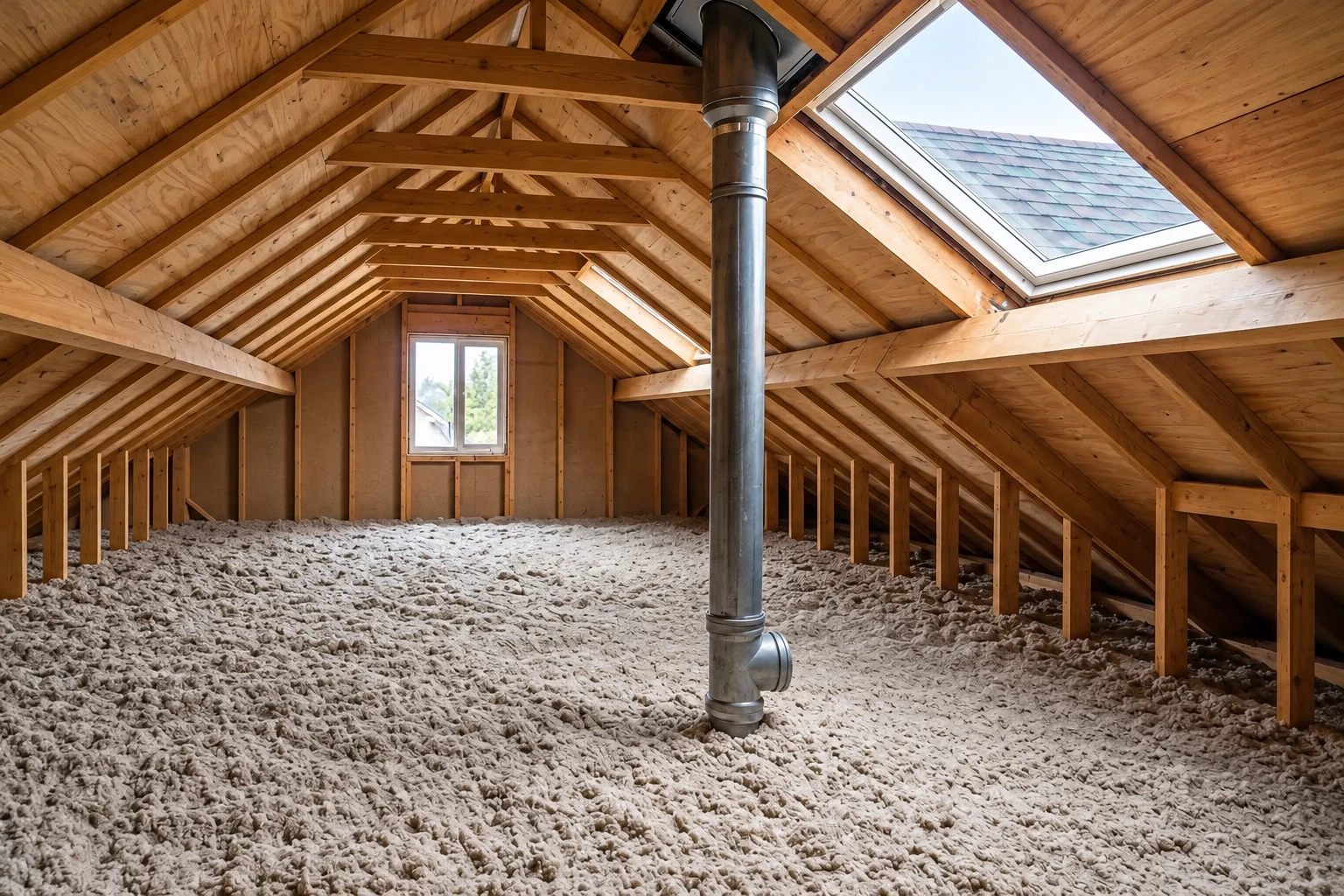
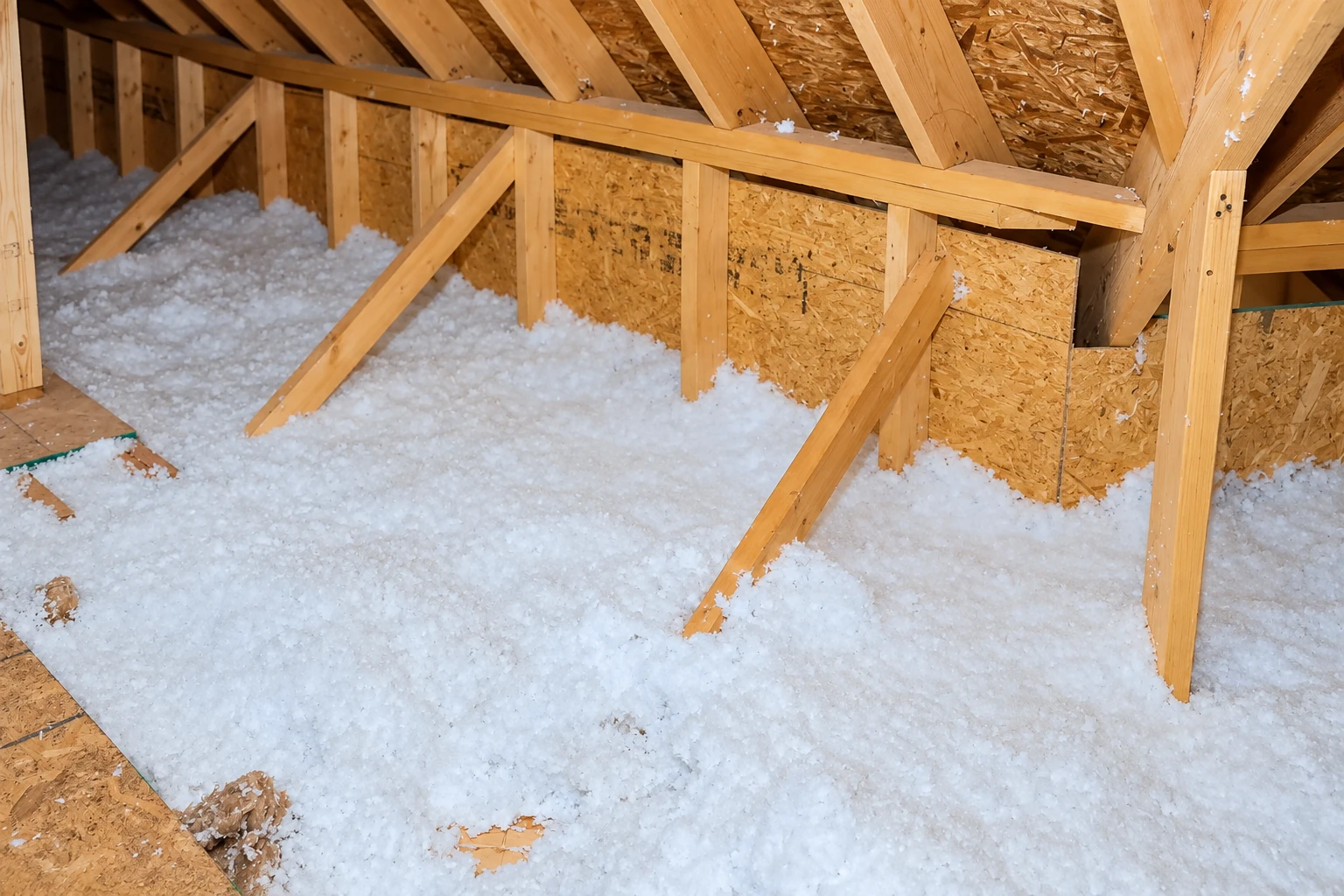
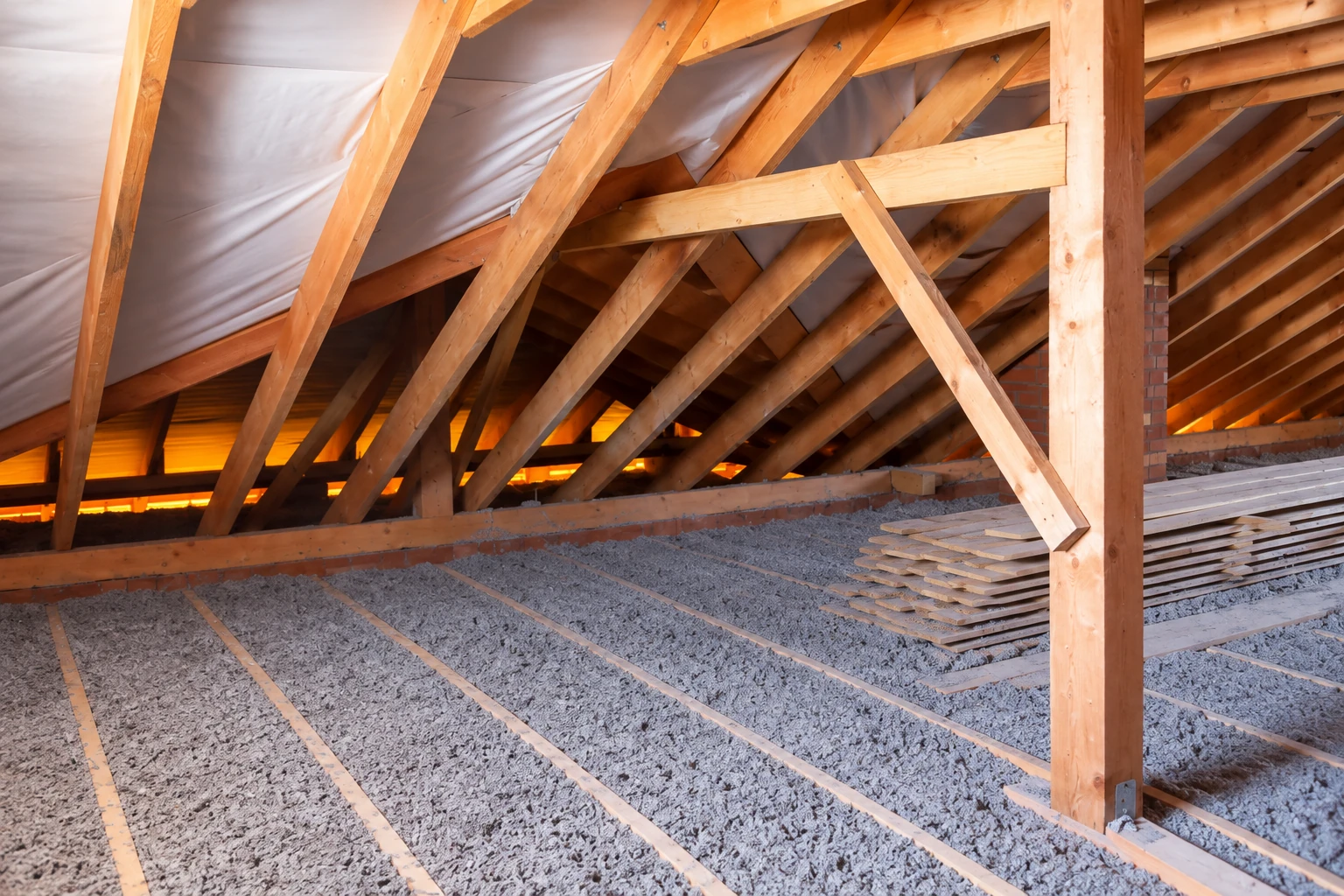
From the hatch, the loose fill looks deep in the middle and thin or bare out by the eaves. That's backward, and the bare edges keep losing heat until they're filled.
Batts squished or pushed aside
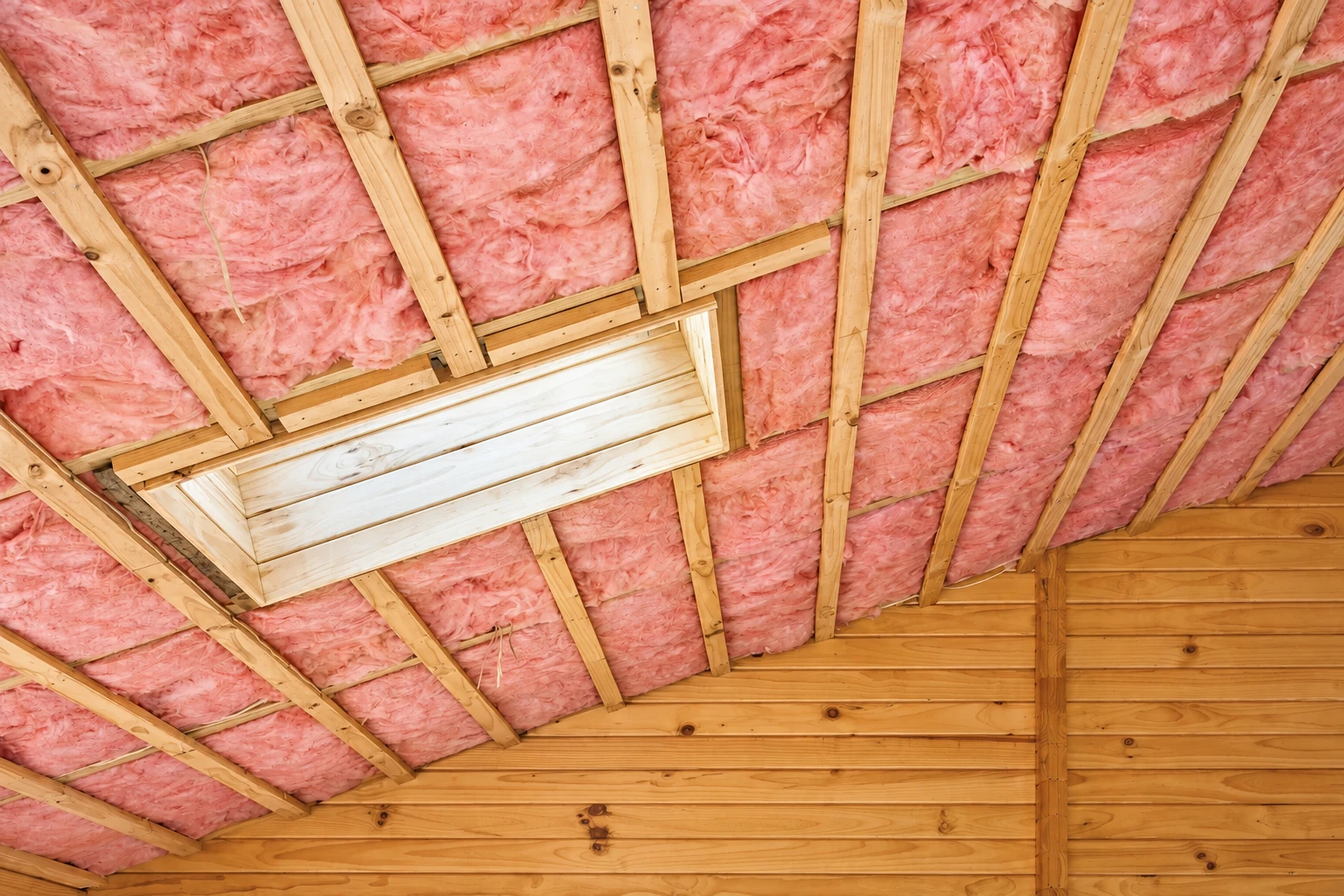
Batts get flattened or shoved out of the way when someone runs wiring or puts in can lights. Each gap is a bare patch where heat walks straight out.
The upstairs runs hot
The bedrooms upstairs or the room over the garage stay hotter than the rest of the house. That usually points to thin insulation or air slipping through gaps overhead.
Drafts at lights and the hatch
You feel air moving around ceiling lights, the attic hatch or where pipes come through. Insulation alone won't stop a draft, so those gaps need sealing before more goes on.
Stains on the ceiling
A brown ring on the ceiling or damp insulation up top usually means the roof is leaking. That gets fixed first, or new insulation just soaks up the water.
Droppings or matted old fill
Old insulation that's flattened, stained or full of droppings isn't doing much. Piling fresh material on top buries the problem instead of fixing it, so it usually comes out first.
How we handle attic insulation, one step at a time
Attic insulation is really two jobs, closing the air leaks and then adding insulation, and done together they can do more for comfort and the power bill than any other insulation work in your house. Before any of it, I look for roof leaks, old wiring and exhaust fans that dump air up there, and we sort those out first so the new layer isn't wasted. Next our installers seal the leaks around pipes, wires and the hatch, putting solid blocking over big holes and open soffits, metal blocking and a collar around hot flues, and a cover over any can light that isn't rated to sit in insulation. Washington's energy code requires a baffle beside each soffit and eave vent when fluffy insulation like loose fill or batts goes into a vented attic, plus a dam or retainer that keeps loose fill from spilling into the house or down into lower parts of the attic, so those go in before the insulation does. Last, the insulation goes on at an even depth with the edges as deep as the middle, because thin edges are where heat slips out. The price and the schedule turn mostly on the prep: how many gaps and can lights need work, whether old insulation has to come out and how easy the attic is to get around in. The written plan I give you lists each of those steps in the order we'll do them.
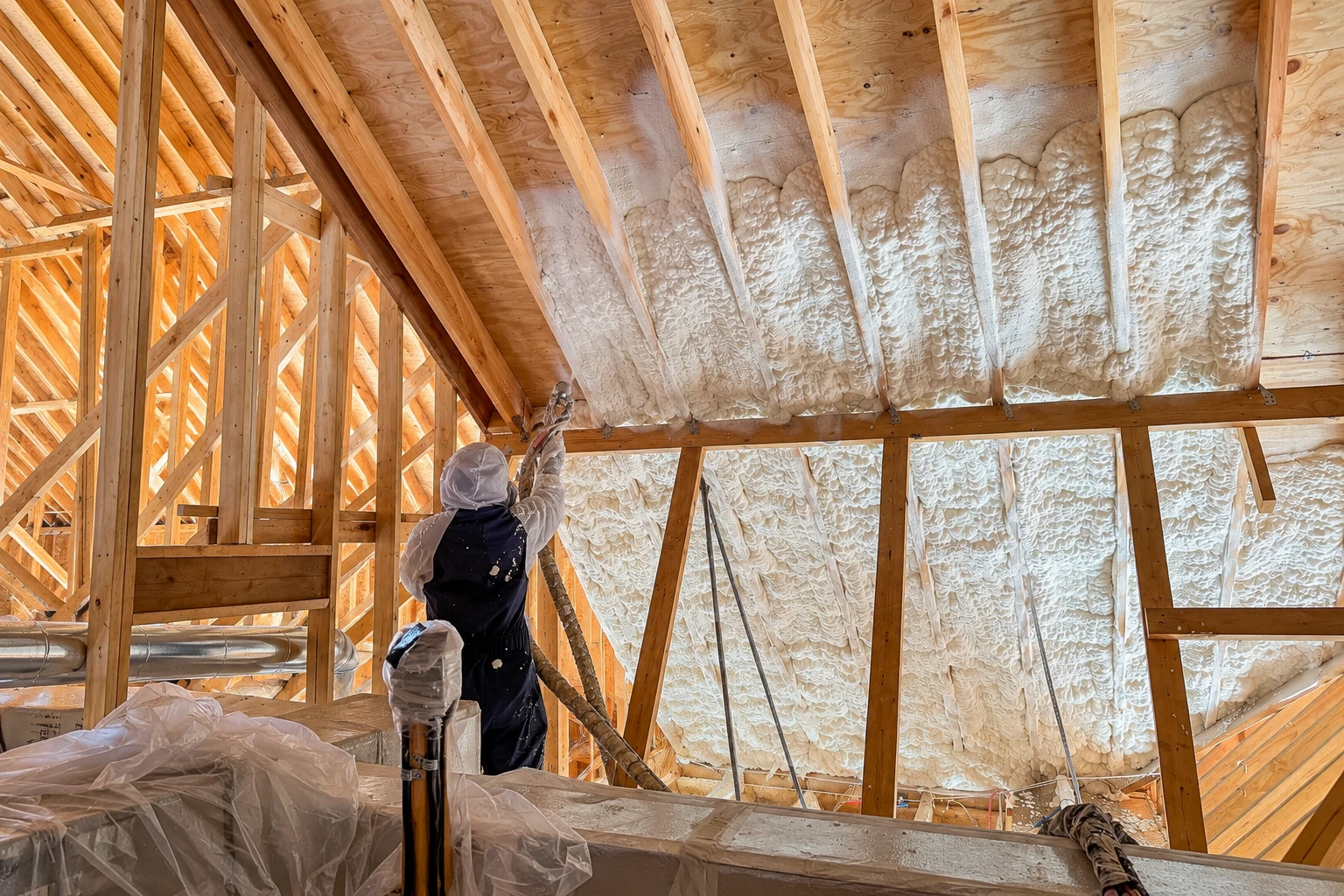
We usually top up the attic floor with blown-in insulation, loose fill blown in through a hose, because it settles around joists and wiring and reaches out to the eaves. Spray foam costs more because it seals and insulates in one pass, and I usually only suggest it when your ductwork runs through the attic, since otherwise sealing the gaps and topping up loose fill gets you more for your money. If drafts are the real trouble, attic air sealing may be the whole job, and if the attic is one piece of a drafty house, our home insulation work plans the walls, crawl space and basement in the same careful order.
What happens after you call us about your attic?
From your first call to the final walk-through, the job runs in a set order, with the checks first and the insulation last.
Call and I come look
Call (360) 255-0276 or send a request, and I come out myself to look at the attic and show you what I'm seeing.
Get your written plan
You get a written plan listing each step in order and why, including any roof or wiring fix that has to come first.
Our installers do the work
Our installers do the work in the order on your plan. Clearing a path to the hatch and covering what's under it helps.
Walk through it together
After clean-up, I walk the finished job with you and show you what was sealed and how deep the new layer is.
Why Bellingham homeowners call Thermal Bellingham Insulation Company
The owner comes out first
I come out myself and explain your attic in plain words, so you decide knowing what's up there.
Checks first, insulation last
Years running the schedule for a busy contractor taught me how jobs go wrong out of order, so checks come first.
Licensed and fully insured
Use the state's Labor & Industries Verify tool to see whether any contractor's registration is active and workers' comp is paid.
Used to older, drafty houses
We've been in business since 2023. Most calls come from older, drafty houses around Bellingham, so hidden gaps don't surprise us.
Get a written plan for your attic
Tell us what insulation you see in the attic and whether you've noticed roof leaks, old wiring or fans venting up there. We reply within one business day to set up a free on-site estimate, with no obligation.
Examples of attic insulation work
Look through these examples of attic insulation work to see what even coverage, sealed gaps and clear vents look like up close.
Attic insulation questions we hear
These are the questions people ask most before any attic work. If yours isn't here, call or send a note about your house and I'll walk you through it.
What needs to be fixed before insulating an attic?
A leaking roof, any live knob-and-tube wiring, the old style strung on ceramic knobs, and any bathroom, kitchen or dryer fan venting into the attic all need fixing first. The roof comes first so moisture doesn't ruin the new layer, and the wiring for fire safety, so it's worth budgeting for those before the insulation.
How do I deal with vermiculite insulation in my attic?
Have it tested before anyone seals or insulates the attic, because federal attic guidance says vermiculite, the gray-brown pebbly fill in some older homes, may contain asbestos. If you find it, get professional advice and contact the Washington State Department of Health, and the attic work waits until that's settled.
What is the best way to keep attic insulation costs down?
In a vented attic, compare loose-fill fiber and fiberglass batts first, since they're the least expensive types and both are good choices for the attic floor. Sealing the gaps before topping up usually gets more out of either one.
How much does attic insulation cost in Bellingham?
Across the US, installing blown-in attic insulation usually costs about $4 to $7.50 per square foot, and that's a national guide, not a Bellingham quote. Your own price depends on how much prep your attic needs, so I come out, look and give you a written estimate that lists each step in order.
Do I need a permit to insulate my attic in Bellingham, WA?
Ask the City of Bellingham Permit Center, the office that takes building applications in the city, by email at permits@cob.org. Before we schedule your job, we check with the city or county office that covers your address and walk you through anything they need from us or from you.
When is the best time of year to insulate an attic?
Most attic insulation jobs can be done any time of year, so book the work when it suits you. If your attic needs a roof or wiring fix, plan that first and set the insulation after it.
Where we do attic insulation
We're based in Bellingham and work in the cities around it across Whatcom and Skagit counties, including Ferndale and Mount Vernon. Pick your city below or give us a call.
Book an attic insulation check in Bellingham
We're open until 11 PM on weekdays and 10 PM on weekends, so call (360) 255-0276 after work if that's easier.