Home insulation in Bellingham WA - a warmer house with the gaps sealed first
Drafty rooms, cold floors or a hot upstairs usually mean gaps and thin spots. We find them, seal them, then insulate where it counts.
- Owner looks first I come out myself and show you what I'm seeing.
- Sealing before insulating We close the gaps first so new insulation isn't fighting drafts.
- A plan in order Your written plan lists each step and why it comes there.
- Final walk-through I walk the finished job with you so you know what's done.
- Licensed and fully insured.
- Free on-site estimates.
- Expect a reply within 1 business day.
How can you tell your house needs more insulation?
These are the things homeowners notice first, and catching them early usually means sealing and topping up instead of tearing out and starting over.
Rooms that feel drafty
You feel cool air near outlets, windows or baseboards. That usually means air is slipping through gaps, and you pay to heat it every day it does.
A hot upstairs in summer
The top floor bakes while the rest is fine. Usually the attic is thin or uneven, and the longer it stays that way, the harder your system works.
Cold floors over the crawl space
Floors feel cold under bare feet in winter. The crawl space below is often bare or the old insulation has sagged loose, so you're heating the ground.
The room over the garage
That bedroom is never comfortable. The floor and outer walls usually have little insulation and lots of gaps, and space heaters only cover it up while the bill climbs.
A power bill that keeps climbing
Your bill goes up though your habits haven't changed. Heat is usually leaving through the attic, walls or floors, and it keeps leaving until someone finds where.
Old, dirty or flattened insulation
The attic has thin, dusty fill, droppings or stains. Adding more on top keeps the problem up there, so it usually needs to come out first.
How we handle home insulation in Bellingham
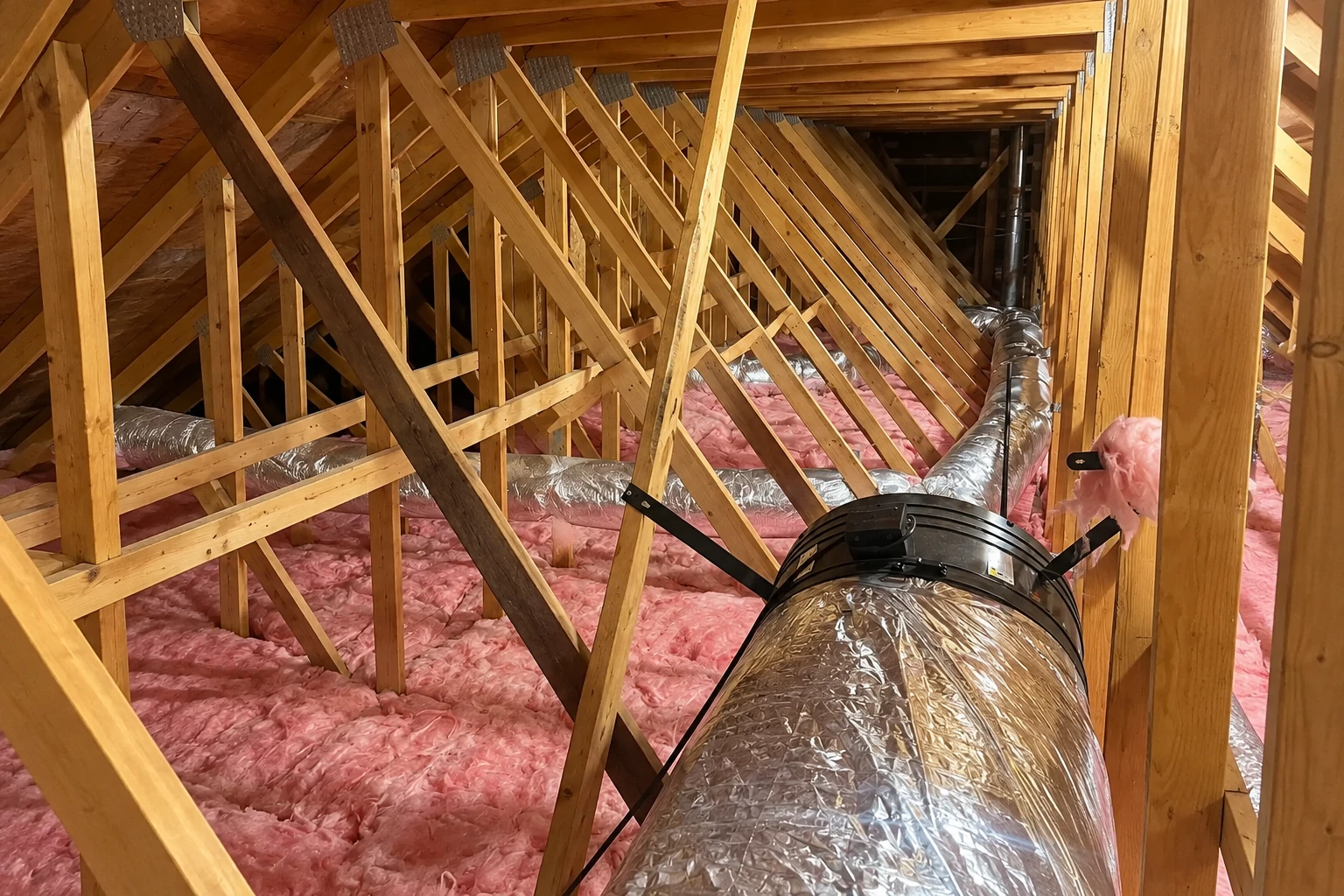
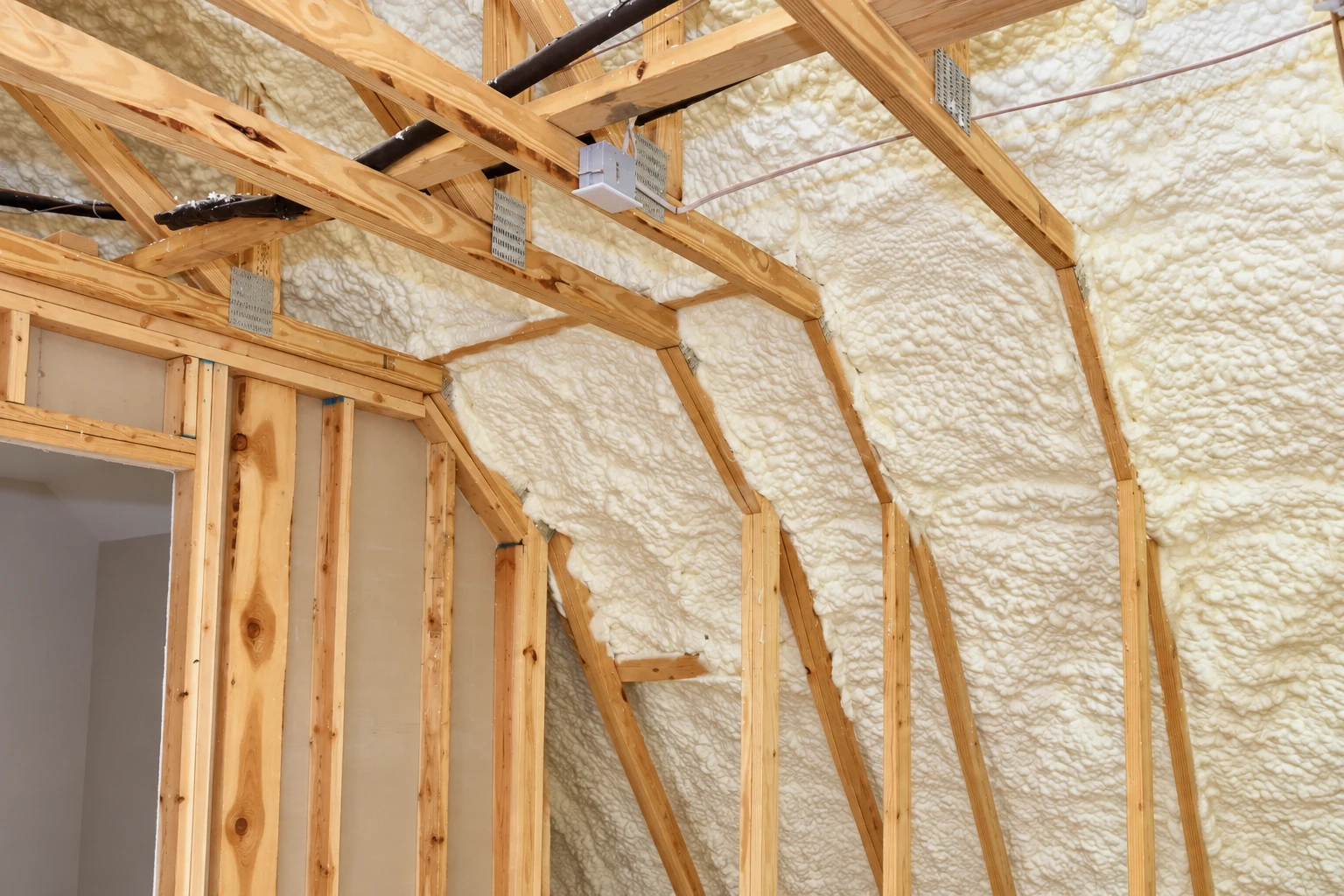
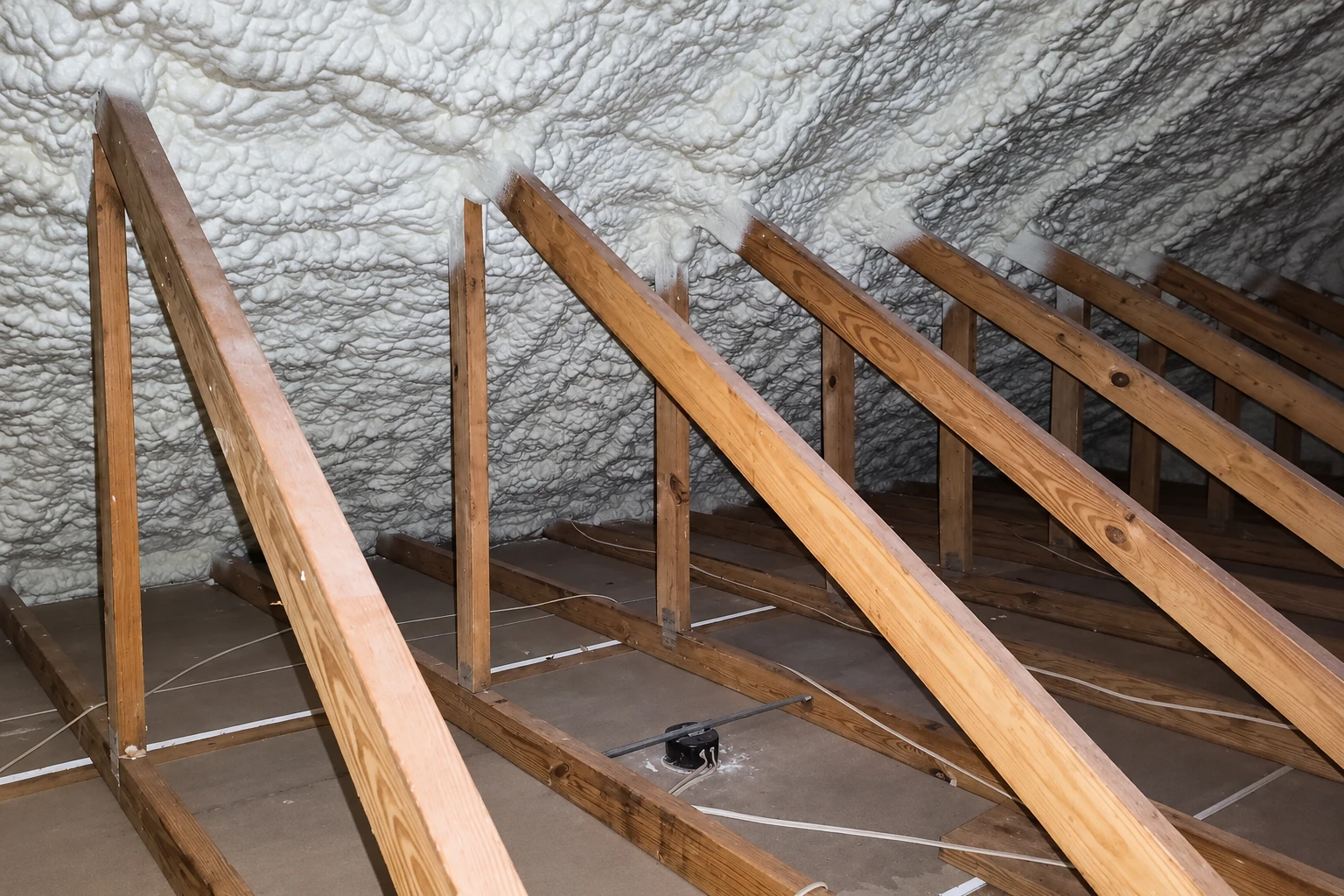
I start by looking at the whole house, from the attic down to the crawl space, because the cold bedroom you called about is often fed by a gap somewhere else, and I'd rather show you where your money does the most good. Our installers seal the gaps first, around can lights, pipes, wiring holes and the attic hatch, so the new insulation isn't fighting a draft. Anything soaked or full of droppings comes out, the eave vents stay clear so the attic can still breathe, and the new insulation goes in evenly, full depth out to the edges where it's usually thinnest. Foam costs more and seals air while it insulates, so I suggest it when your ductwork runs through the attic, and otherwise sealing the gaps and topping up with blown-in fill, loose insulation blown in through a hose, usually gets you more for the money. The price moves with how much of the house needs work and what has to come out first, and so does the schedule, which is why your written estimate lays out each step in the order we'll do it.
Two jobs often come along with this one. When the old attic fill is soaked, flattened or full of droppings, insulation removal comes first so the problem doesn't stay buried under the new layer. And when the floors are what bother you, crawl space insulation usually does more for the rooms above than anything we add in the attic.
What happens after you call us about home insulation?
Here's how a home insulation job runs with us, from your first call through the walk-through at the end.
Call or send a request
You call or send a request, and I come out myself to check the attic, walls, crawl space and basement, showing you what I find.
Get your written plan
You get a written plan that puts each step in order and says why it comes there, so you can see what's worth doing first.
Our installers do the work
Our installers follow the plan in order, sealing before insulating. If the material means leaving, we'll tell you beforehand when you can come back.
Walk through it together
Once it's done, I walk through it with you and show you what was sealed, what came out and how deep the new insulation is.
Why Bellingham homeowners call Thermal Bellingham Insulation Company
The owner does your visit
I come out myself and build the plan with you, so the person explaining your house is the one responsible for it.
Started in Bellingham in 2023
I started here in 2023 after years running schedules for a contractor, where I saw jobs fail when steps ran out of order.
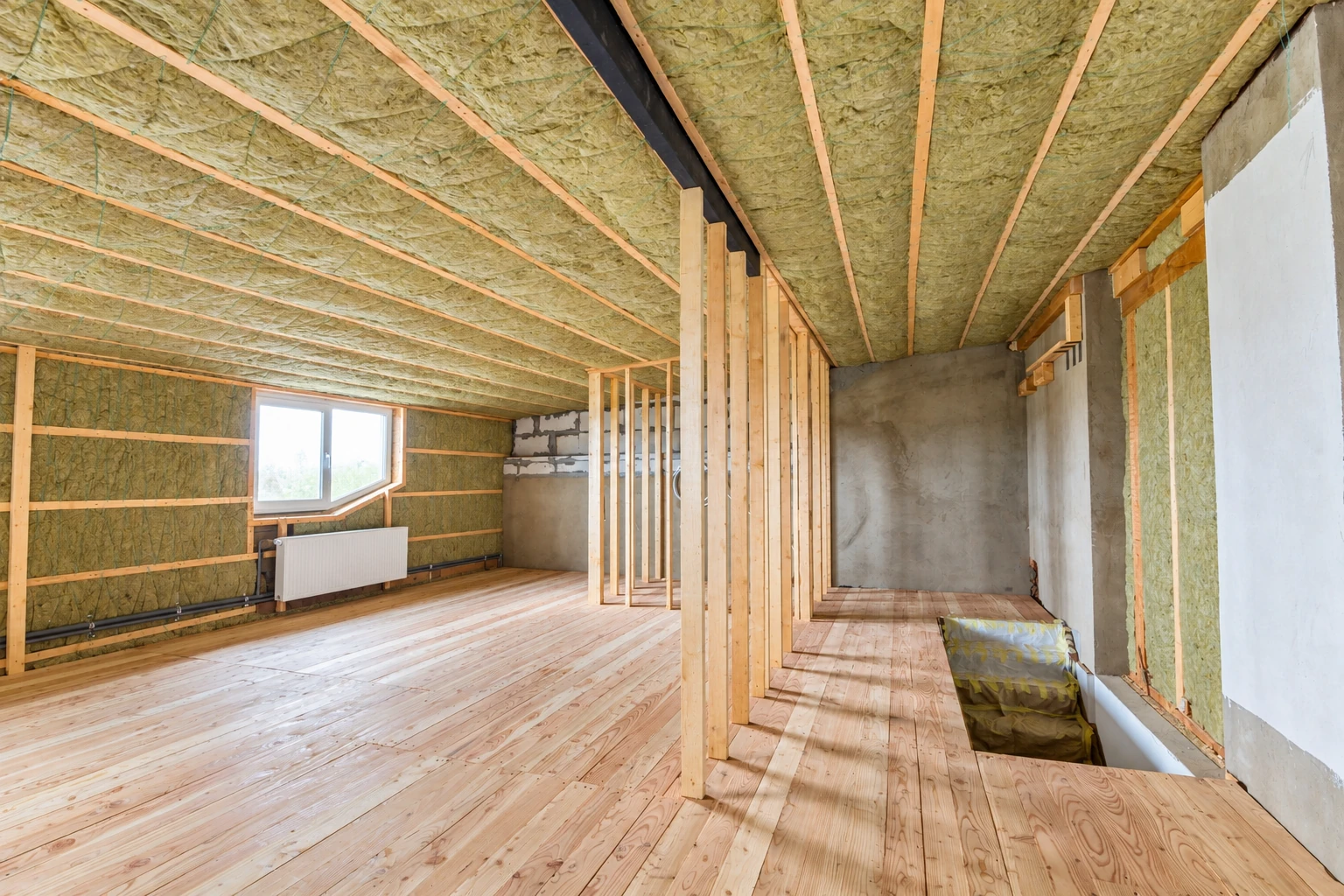
Licensed and fully insured
Washington requires construction contractors to register with the state and carry insurance, and that's worth asking any crew before they start.
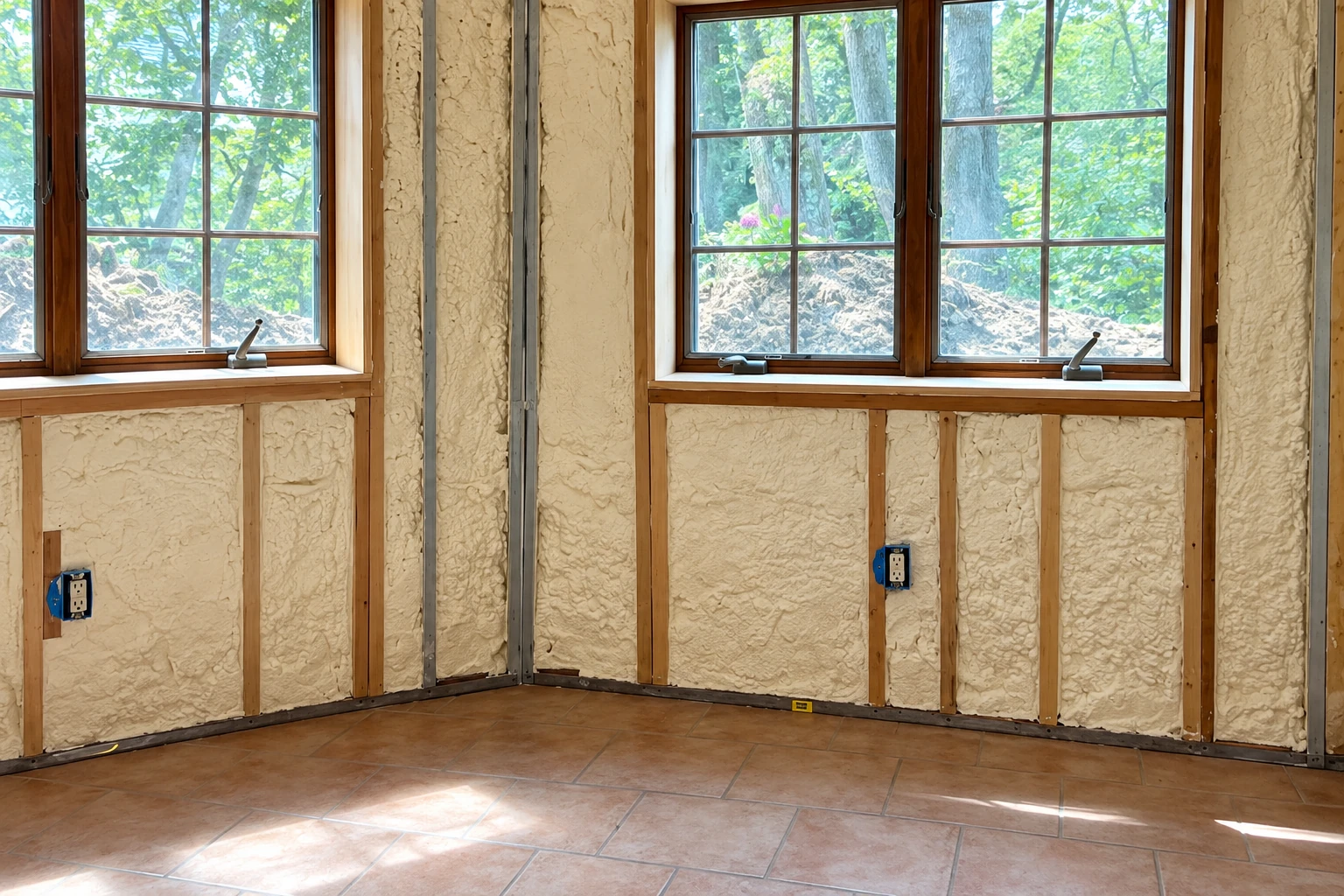
Used to older, drafty houses
Most of our calls are drafty, older houses across Whatcom and Skagit counties, so we go in expecting hidden gaps and old fill.
Get a written home insulation plan for your house
Tell us the areas you want insulated and any siding work you're planning, and we'll reply within one business day. I come out myself for the free on-site estimate, with no obligation.
Examples of insulation work
Look through these examples of insulation work in attics, walls and crawl spaces to get a feel for what each kind looks like.
Questions about insulating your house
Here are answers to what Bellingham homeowners ask most about insulation projects, from where to start to getting help paying for it. If your house raises a different question, call and ask.
Where should a home insulation project start in Bellingham?
Most national guidance says to start with a home energy checkup, sometimes called an assessment or audit, before you choose materials or pick which areas to insulate. The checkup shows where the house is actually losing heat, so the money goes there first.
How much does home insulation cost in Bellingham?
Home insulation doesn't have one set price, because each house needs a different mix of sealing, removal and new insulation. Tight crawl spaces, hard-to-reach attics, older houses with more gaps to find and the material you pick all move it. Your written plan puts each step in order, so you can see which parts pay off first and decide how far to go.
What is the best way to insulate walls and ceilings in an older house?
The best material depends on the area, because walls can take batts, blown-in fiberglass or cellulose, or spray foam, while ceilings and roofs can also use rigid foam boards. So it's worth comparing choices one area at a time instead of picking one product for the whole house, and I'll go through what fits each spot when we build your plan.
Should I add wall insulation when I replace my siding?
Yes, if the walls are wood-frame and empty, since national guidance says that's the time to blow insulation into the wall cavity through holes in the sheathing, the boards under the siding. It has to happen before the new siding goes on, so tell me your siding dates when we talk.
How do I know if blown-in attic insulation is deep enough?
Ask the contractor to staple rulers in several spots in the attic, because they show whether the insulation is deep enough and spread evenly. They also let you measure later how much the fill has settled over time.
Is there help paying for insulation in Whatcom County?
Yes, the Opportunity Council focuses on whole-home weatherization for low- and moderate-income households in Whatcom, Skagit, Island and San Juan counties, in both single and multi-family housing. It calls itself a one-stop shop, handling the energy audit, hiring local installers and inspecting the work once the project ends. If your home is on a residential rate and heats mainly with natural gas, Cascade Natural Gas also has weatherization rebates, though not when gas is only the backup to an electric heat pump.
Insulation in Bellingham and nearby cities
Before we schedule, we ask the city or county office for your address whether your job needs a permit, and Bellingham's permit center takes applications at permits@cob.org. Pick your city.
Call about home insulation for your Bellingham house
We're open until 11 PM weekdays and 10 PM weekends, so you can call (360) 255-0276 after work or once the kids are down.